Closing out a renovation project the right way takes about the same attention as the early planning stages. Most homeowners let their focus drop once the contractor finishes the main work. That is when small items slip through, final payment gets released too soon, and the leverage to get things corrected disappears.
Here is what the close-out phase actually involves and how to handle it like a professional.
What Does "Done" Actually Mean in a Renovation?
There are two different milestones at the end of a project, and confusing them is one of the most common close-out mistakes.
Substantial completion means the space is functional and usable: you can move back in and use the kitchen or bathroom. Final completion means every item is finished to the agreed standard, all punch list corrections are done, permits are closed, and final documentation has been received.
Most homeowners treat these as the same moment. They are not. And that distinction matters when it comes to final payment.
How to Do a Proper Final Walkthrough
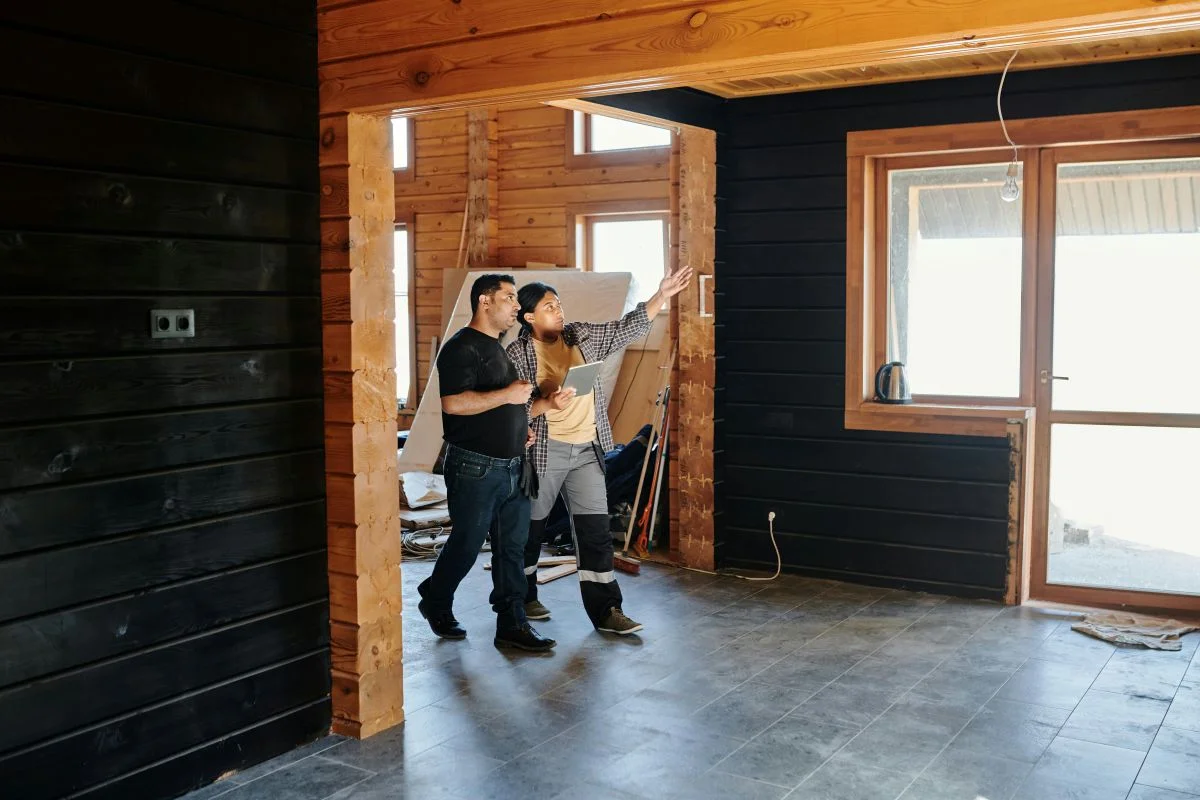
A final walkthrough is not a quick look around. It is a structured inspection that you plan for and take notes during. Going room by room with a written checklist is the most reliable way to catch every item.
At minimum, check these areas:
- Cabinets: alignment, doors, drawers, hardware
- Countertops: edges, seams, chips, caulk lines
- Tile and grout: cracks, missing grout, missing caulk at transitions
- Plumbing: run every fixture and check under cabinets for leaks
- Electrical: test every outlet, switch, and fixture
- Paint and trim: touch-ups, nail holes, clean lines at corners
- Appliances: run each function and check installation gaps
One technique worth adding: take photos during the walkthrough and review them later on a larger screen. Photos capture things your eye glosses over in real time, and a second pass with fresh eyes regularly surfaces items you missed in person.
The Remodel punchlist (PDF) gives you a structured form to capture every item as you walk through. Free for Renoversity members, it is designed to be brought to the walkthrough and handed to the contractor when you are done.
What Is a Punch List and What Goes on It?
A punch list is a formal written document of items that need to be corrected or completed before the project is considered finished. A punch list item is something that was in the original scope but was not done, was done incorrectly, or does not meet the agreed standard.
What belongs on a punch list:
- Incomplete work that was part of the original contract
- Incorrect installation that does not meet the agreed specification
- Visible defects: paint drips, scratched surfaces, uneven grout lines
- Items that do not function as they should
What does not belong on a punch list:
- New ideas or design changes you decided on after the work was done
- Requests outside the original scope
- Normal wear or settling that happens after move-in
How you present the list matters. A professional punch list is numbered, specific, and written without blame. "Paint drip on cabinet face above sink, left door" is useful. "The painting looks sloppy" is not. Specific items get resolved. Vague complaints create defensiveness.
The Contractor Email Templates include a punch list communication template that gives you the right language for presenting the list and following up if items are not addressed on schedule.
When Should You Release Final Payment?
Final payment is your most significant point of leverage at the end of a project. Once it is released, getting remaining items resolved depends on goodwill and contractor availability, not contract terms.
Do not release final payment until:
- The punch list is complete and you have verified each item
- All permits are closed and you have the documentation
- You have received all warranties, manuals, and close-out documents
On the question of how much to withhold: a common approach is to hold back 10 percent of the total contract value until final completion. A more precise approach is to withhold the dollar value of the remaining open items. Ask yourself what it would cost to hire a different contractor to finish those items. That is the number to hold.
For a full breakdown of contractor communication and payment timing through the close-out phase, The Renovation Blueprint, Part 5: Managing the Build covers the complete process, including what to do if a contractor goes unresponsive after substantial completion.
What Documents Should You Collect Before You Close Out?
A project file is one of the most practical things you can build during a renovation, and close-out is the moment to make sure it is complete. Most homeowners let this information scatter across emails and paper receipts. Years later, when something needs to be repaired or replaced, they have no record of what was used.
Your close-out documentation should include:
- The signed contract and all executed change orders
- Warranties: both manufacturer and contractor workmanship
- Lien waivers from the general contractor and any subcontractors
- Product specifications: paint brand, name, and formula; tile details; grout color and brand
- Appliance manuals and model numbers
- Permit sign-offs and inspection records
Three items most homeowners overlook: photos of paint can labels, photos of tile and grout packaging including the dye lot number, and extra tile kept somewhere accessible. Products get discontinued. Dye lots change. If a tile cracks two years from now and you have no extras and no dye lot information, matching it becomes a much larger problem than it needs to be.
Store everything in a digital format that is backed up. A paper folder is a start, but it does not survive water damage, mold, or a move.
The documentation and close-out steps that homeowners most often skip are the ones that come back as expensive problems one to three years later.
What Is Normal Settlement vs. a Warranty Issue?
Some things will change after the project is done. Knowing what is normal helps you decide what to address and what to leave alone.
Normal in the first year after completion:
- Small grout cracks at transitions where different materials meet
- Minor wood movement in cabinetry as the home adjusts to seasonal humidity changes
- Small paint touch-ups needed at corners and trim
Not normal, and worth addressing under warranty:
- Any water infiltration or active leaks
- Tile failure, cracking, or lifting from the substrate
- Cabinetry or trim separating significantly from the wall
- Appliances or fixtures failing within the manufacturer warranty period
Most contractor workmanship warranties run one year. Review your contract for the exact terms. If you notice a warranty issue, document it with photos immediately and contact the contractor in writing. The steps you took when hiring the contractor often determine how responsive they are when warranty issues come up later.